Swedish Death Cleaning: A Gift to Your Executor
Döstädning is not minimalism for you. It is mercy for whoever clears the house. How the Swedish practice works, where to start, and why photos come last.
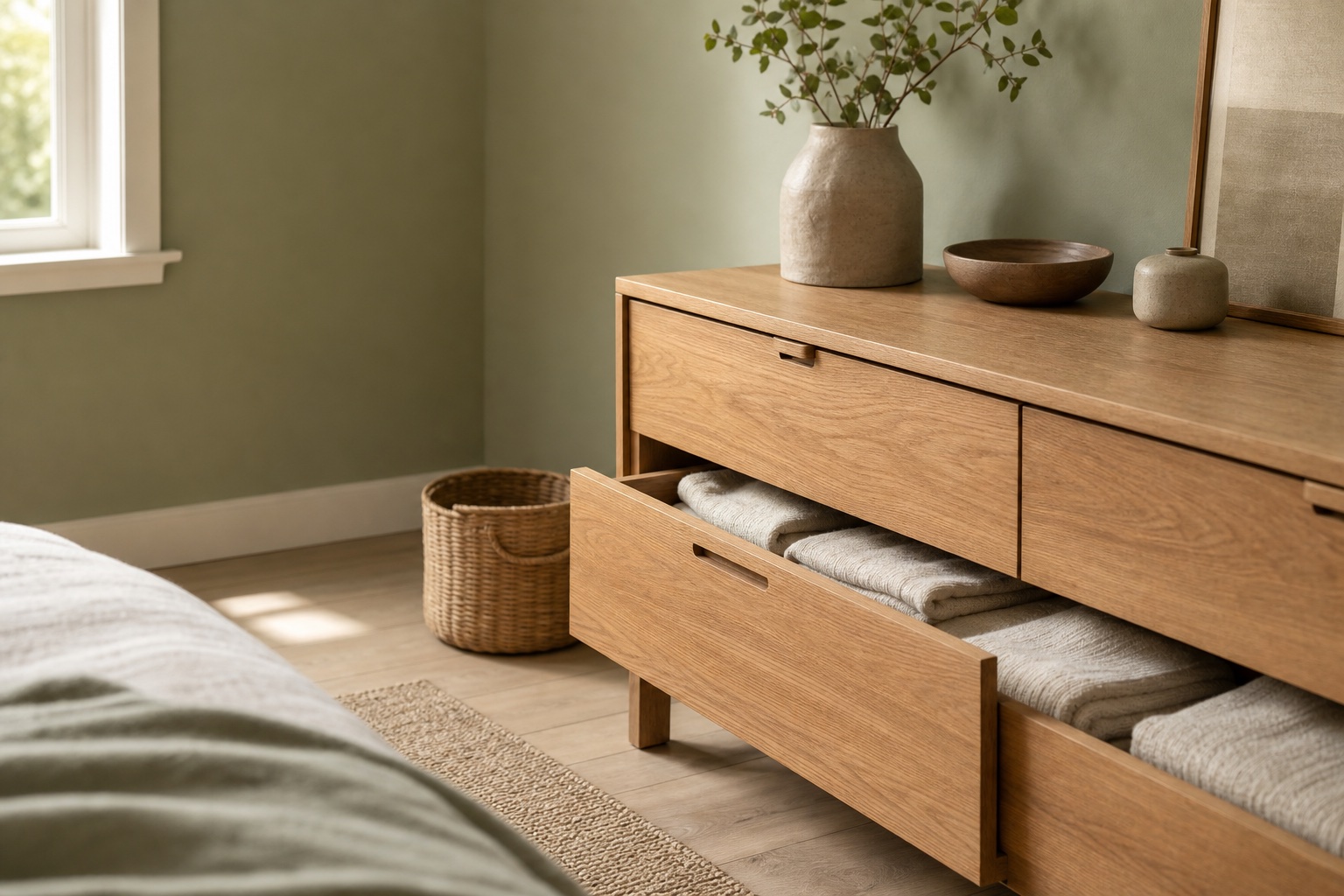
Somewhere in your house is a closet you have been meaning to deal with, and a quiet worry about who will deal with it if you never do. Sweden has a practice for exactly this. Döstädning, from the Swedish words for death and cleaning, is the habit of putting your belongings in order in later life so your family does not have to do it for you. It is gentler than it sounds, and more useful than most decluttering advice.
Where the Idea Comes From
The practice reached English readers through Margareta Magnusson's book The Gentle Art of Swedish Death Cleaning, published in English in 2017. Magnusson, a Swedish artist who described her age as between eighty and one hundred, wrote it after clearing the homes of her parents and her husband.
Her argument is unsentimental and kind at the same time: your things are your responsibility, and leaving a full house behind hands that responsibility to people who will be grieving when they inherit it.
What an Executor Actually Faces in an Uncleaned House
An executor is the person responsible for settling an estate, which includes deciding what happens to everything a person owned. In an unsorted house, every drawer becomes a decision that a grieving person has to make: keep, sell, donate, discard, or ask the family and risk an argument.
Multiply one drawer by a whole house and the scale becomes clear. Families commonly spend weeks or months clearing a home, often while a probate clock is running and siblings disagree about what matters. Most of what they agonize over is material the owner would have discarded without a second thought.
Every unsorted drawer is a decision a grieving person has to make.
The Method: Easy Categories First, Photos Last
Magnusson's ordering is practical. Start where sentiment is thinnest and momentum is easiest, and save the emotionally heavy material for when you have practice.
- Start with storage: the attic, the basement, the garage, the boxes you have not opened since the last move.
- Clear duplicates next: the extra plates, the second toolbox, the four vases that serve the purpose of one.
- Move through clothes: keep what you wear, release what you keep only from guilt.
- Leave photos and letters for last: they take the longest, pull the hardest, and will stall the whole project if you start there.
The Secret Drawer, and Giving Things Away While You Can Watch
Magnusson includes a category she handles with dry humor: the private things that would only hurt or confuse the people who find them. Letters, mementos, evidence of old chapters that are nobody's business. Discard them yourself, deliberately, while the choice is still yours.
The happier half of the practice is giving things away early. An object handed to a grandchild now comes with the story attached and years of watching it be enjoyed. The same object found in a box later comes with a question mark. Asking who wants this at the dinner table settles now, in conversation, what would otherwise be negotiated later among people who cannot ask you anymore.
A Practice, Not a Weekend Project
Death cleaning is not a purge you finish before Monday. Magnusson frames it as an ongoing habit for your sixties, seventies, and eighties, though any decade works, and anyone who has cleared a parent's house tends to start their own early.
A room a season is a reasonable pace. If you keep a simple list of what you own and where the important things are, the practical side of this work compounds; it is the same information an estate inventory will eventually require, gathered while it is easy. The house gets lighter, the decisions stay yours, and the people you love inherit your things instead of your backlog. That is the whole gift.
Review note
Published July 3, 2026. Last reviewed July 3, 2026 against the official sources listed below. Legacywyse Journal articles provide general information and reflection prompts, not legal or medical advice.