How to Tell a Child Someone Has Died
What to say when someone dies, how to answer a child's questions, and how to help them understand what happens next.
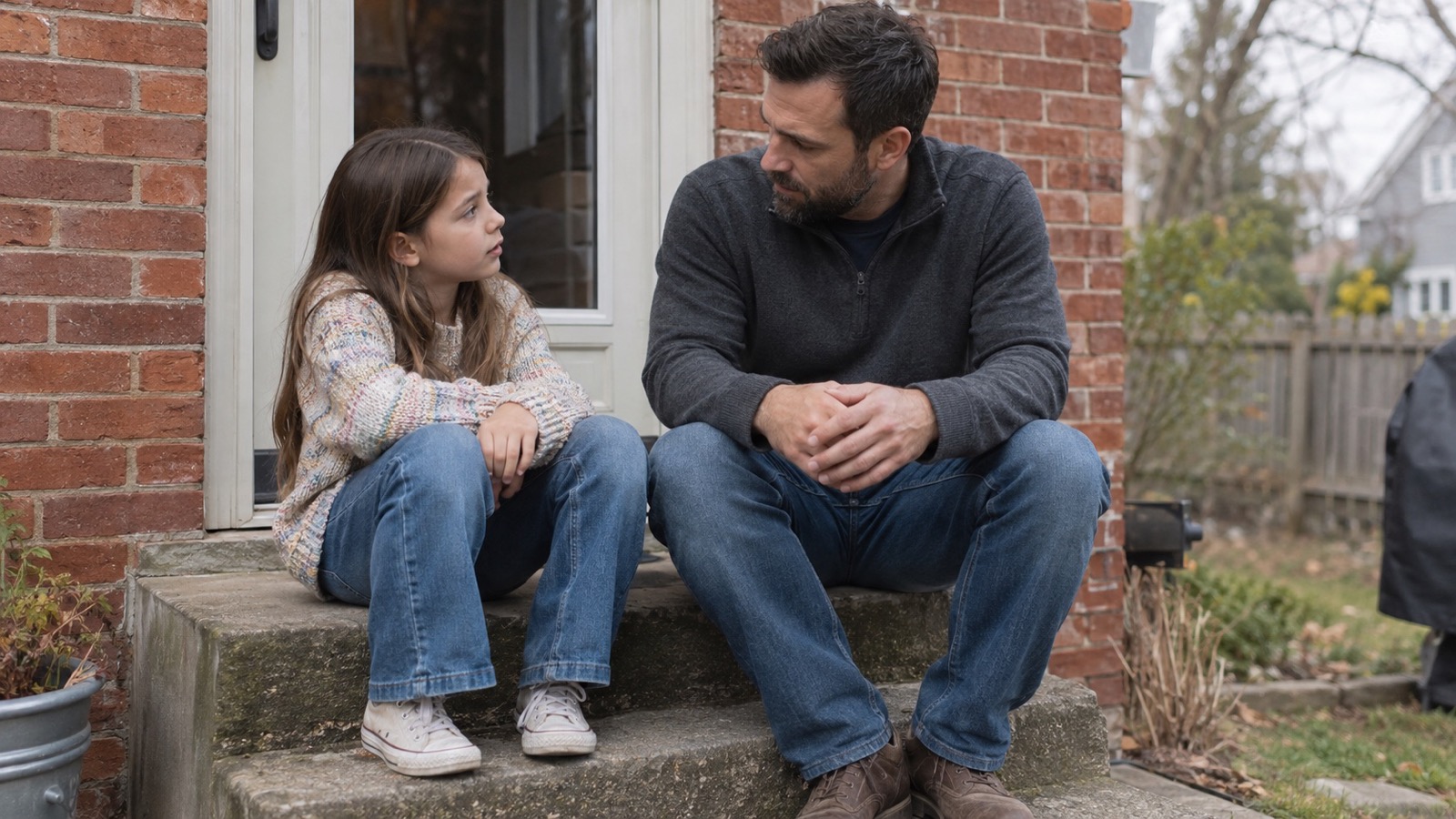
Tell your child who has died, using the word "died." Give a short explanation, then pause. You can answer the next question when it comes. You may be struggling to take in the death yourself. If you can't manage the conversation, ask an adult your child knows well to help, and stay close.
Tell them before they hear it elsewhere
Child Bereavement UK recommends telling children as soon as possible. Waiting increases the chance that they'll overhear a conversation or see a message before you can explain it.
Choose a quiet place where you can sit together and stay afterward. Offer a hug if they want one. Before you speak, check with other caregivers about what is known. If the cause of death is still unclear, say so.
Use words a child can understand
For a young child, you might say: "Grandma died today. That means her body doesn't work anymore. She won't be able to come back, and she doesn't feel pain." Change the example to fit your family and what happened.
Words such as "lost" or "asleep" can confuse a child. They may think someone can be found or will wake up. Child Bereavement UK advises explaining what death means for the body before talking about your family's beliefs about what happens afterward.
If an illness caused the death, name it and explain it simply. Dougy Center warns that saying only "she got sick" can leave a preschooler afraid that a cold will cause another death. Keep the explanation brief and leave out distressing details the child hasn't asked for.
Let their questions guide you
Listen to what your child asks before offering more information. If you're unsure what they mean, ask what they're thinking. An older child may want to know what happened at the hospital. Another child may have heard enough for now.
Some children worry that an argument or an angry thought caused the death. Pediatricians David Schonfeld and Arwa Nasir advise explaining the cause in simple terms and addressing blame directly. Tell your child that their thoughts and feelings did not make the person die.
If they ask whether you will die too, avoid promising that you never will. If it's true, tell them you're healthy and expect to be with them for a long time. Let them know they can bring that worry to you again.
The same question may come back
A preschooler might hear that someone died and still ask when they're coming home. Dougy Center explains that young children may need repeated explanations to understand that death is permanent. Use the same plain words each time, even when it hurts to repeat them.
Your child may also cry, then want to play. Child Bereavement UK describes how children move between grief and ordinary activities. Let them play without treating it as a sign that they haven't understood or don't care.
If you cry, explain why. You can say that you miss the person who died. Avoid asking a child to be brave for everyone else or to look after you. Ask another adult for the support you need.
Make today's plans clear
Explain who will pick them up from school and where they'll sleep tonight. If you need to leave, tell them who will stay and when you expect to return. When plans change, explain the change. If you don't have an answer yet, tell them what you do know.
Keep familiar meals and bedtimes where you can. Let teachers and other caregivers know about the death so they can offer support. With an older child, discuss what they're comfortable sharing before passing on personal details.
When to ask for help
Call your child's pediatrician if they're having persistent trouble with sleep, eating, school, friendships, or everyday tasks. Describe the changes you've noticed. The doctor can assess what they need and refer you to grief counseling or a support group.
You can also ask a pediatrician or child bereavement specialist for help finding the words, particularly after a frightening death. You don't have to wait until the child is struggling to seek advice. If there is an immediate risk of self-harm, get urgent medical help.
Review note
Published September 16, 2026. Last reviewed September 16, 2026 against the official sources listed below. Legacywyse Journal articles provide general estate, probate, and personal finance information, not legal or tax advice.