Selling Inherited Commercial Property in Texas: Tenants, Rent and Value
A commercial building keeps running after its owner dies. Here's what a Texas executor handles before it sells: the leases, the rent, the deposits, the appraisal and the court's permission.
At a glance
- Leases don't end when the owner dies. Rent that comes in while the estate is open is estate income, and an estate with $600 or more of gross income for the year files Form 1041.
- Under Texas Property Code Section 93.007, the buyer takes over the tenants' security deposits at closing, but the estate stays liable until the buyer gives each tenant a signed statement of the amount.
- An independent executor can usually sell without the judge's approval, for the same reasons a court-supervised one could (Estates Code Section 402.052). In a dependent administration, the sale needs a court order unless the will gives a power of sale.
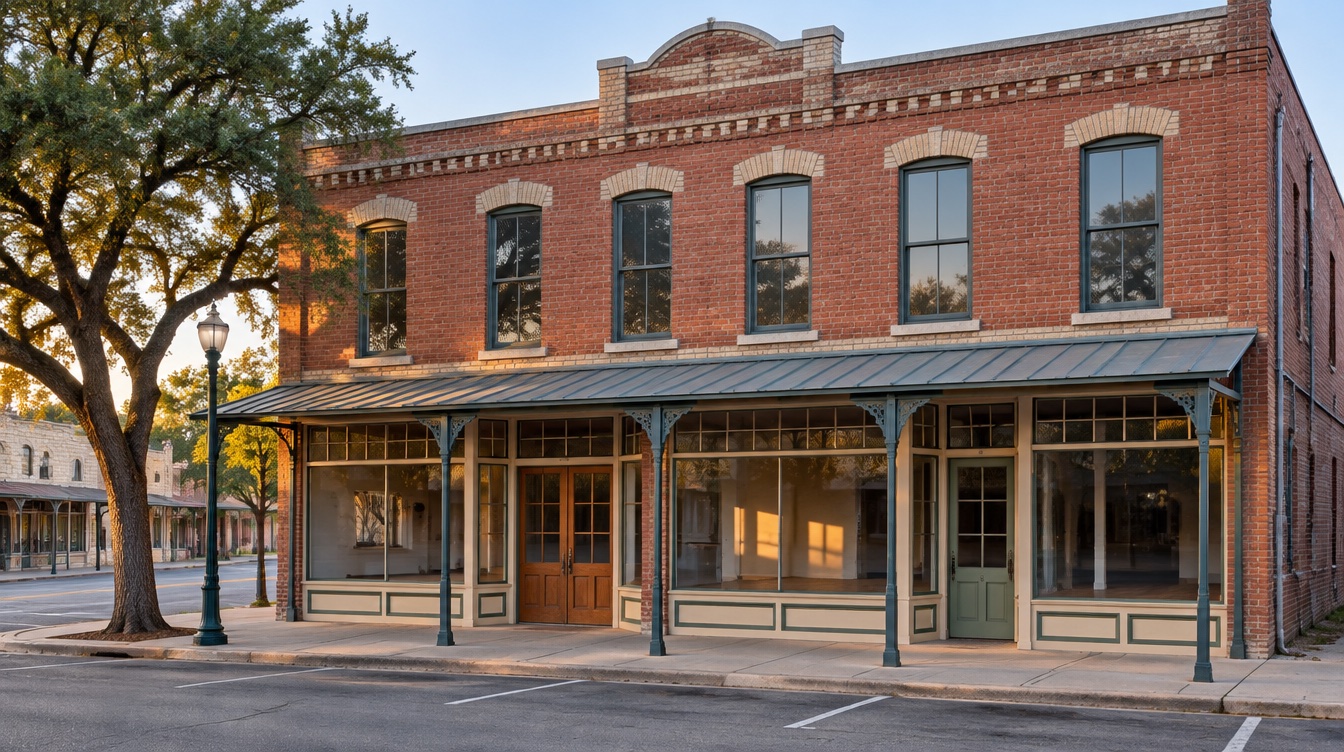
A commercial building doesn't go quiet when its owner dies. The tenants still open on Monday, the rent is still due on the first, and someone has to answer the call when the roof leaks. If you're the executor, that someone is you, until the building sells.
Selling a house in probate is mostly a question of authority and paperwork. Our guide to selling a house during probate in Texas covers that. A commercial building adds the tenants, the leases, the rent that keeps arriving while you wait, and a value that depends on all three.
You're responsible for the building now
Once the court appoints you and you qualify, the building is in your care. Texas Estates Code Section 351.101 says an executor must care for estate property the way a prudent person cares for their own, and must keep any buildings in good repair.
In practice, that means the insurance stays current, the property manager keeps working, and repairs get approved and paid from the estate's money, not yours. Until you have Letters, nobody can sign leases or accept offers for the estate. A family member can still lock a door or call the insurance agent.
The leases keep running
A lease doesn't end because the landlord died. Rent keeps coming due, and once you're in charge it's estate income. Deposit it in the estate's bank account, never a personal one.
Collect copies of every lease, the rent roll and a record of each tenant's security deposit early. You'll use them twice: once to run the building and again when a buyer asks for them.
If a lease runs out while the estate is open, Section 357.001 lets you rent estate property for a year or less without a court order. In a dependent administration, a longer lease needs the court's approval under Section 357.002. An independent executor can sign one without the court (Section 402.054).
Get the first three days checklist.
We'll email you a free 6-page guide to the first three days after a loss.
What the building is worth on the date of death
A commercial building's value comes mostly from its income. A building leased for eight more years to a tenant with good credit is worth something different from the same building half empty. A commercial appraiser will ask for the leases, the rent roll and the operating statements. The appraisal district's number won't stand in for that.
The date-of-death value has three jobs. It goes on the inventory you file with the court. It becomes the estate's tax basis under Internal Revenue Code Section 1014, so tax applies only to growth after the death. And it gives you, the heirs and the judge a fair price to measure offers against.
Getting permission to sell
In an independent administration, Section 402.052 lets the executor sell for the same reasons a court-supervised executor could, such as paying debts or because selling the real estate is in the estate's best interest, without court approval, unless the will limits that power. The title company will still ask where that power comes from: the will, the court's order appointing you, or a sworn affidavit recorded in the county deed records (Section 402.053).
In a dependent administration, you apply for an order of sale. Section 356.251 allows one to pay the estate's expenses and claims, or when selling real estate is in the estate's best interest. After you sign a contract, you file a report of sale within 30 days, and the judge approves the sale before you sign the deed (Sections 356.551 and 356.556). Our guide to the Texas application to sell estate property shows what the first filing asks for.
A building with paying tenants gives you some room on timing. If the rent covers the mortgage and the bills, the estate doesn't have to take the first offer just to stay current.
Tenants, estoppels and deposits at closing
The buyer takes the building subject to the leases and becomes the new landlord. The buyer's lender will usually want tenant estoppel certificates: short signed statements in which each tenant confirms its rent, its deposit and the terms of its lease. Ask for them early. Some tenants take weeks to send one back.
Deposits need care. Under Texas Property Code Section 93.007, the buyer is responsible for the tenants' security deposits from the day it takes title. The estate stays liable for them until the buyer gives each tenant a signed statement acknowledging the exact amount. Ask the title company to make those statements part of closing, so the estate isn't left owing refunds on money it handed over.
Taxes while you hold the building and when it sells
Rent the estate collects counts as estate income. If the estate's gross income for the year reaches $600, the executor files Form 1041, the estate's income tax return. See our guide to the final Form 1040 and estate Form 1041 for who files what.
When the building sells, the estate measures gain or loss from the date-of-death value, not from what the owner paid decades ago. A sale soon after the death usually shows little gain. Have the estate's tax preparer review the closing statement before any money goes out to the heirs.
Federal estate tax applies only to estates above $15 million for a death in 2026, and Texas has no estate tax.
Paying out the proceeds
The sale money goes into the estate account. Pay the closing costs, the estate's debts and expenses, and hold back enough for the estate's income tax return. Then distribute what's left under the will, or under Texas heirship law if there isn't one. An independent executor closes the estate with a closing report. In a dependent administration, the judge approves a final account.
Common questions
How soon can the executor put the building on the market?
As soon as the court appoints the executor and Letters are issued. The estate doesn't have to be finished first. An independent executor can then list and sign a contract without asking the judge. In a dependent administration, the executor needs an order of sale first, unless the will gives a power of sale.
What happens to the tenants when an estate sells a commercial building?
Their leases stay in force and the buyer becomes the landlord. Under Texas Property Code Section 93.007, the buyer is responsible for security deposits from the day it takes title, and the estate stays liable until the buyer gives each tenant a signed statement of the deposit amount.
Who gets the rent while the estate is open?
The estate. The executor collects it into the estate's account, uses it for the building's bills and the estate's expenses, and reports it on the estate's Form 1041 if gross income for the year is $600 or more. What's left is distributed with the rest of the estate.
How Legacywyse can help
Your Legacywyse plan shows whether your estate is on an independent or dependent path. When you tell it estate property has to be sold, it adds the court-sale step and drafts the application for an order of sale, or a step to document your power of sale. It drafts the inventory and the closing papers from the same answers. Our guide to selling a commercial building in probate walks through each step.
Get the first three days checklist.
We'll email you a free 6-page guide to the first three days after a loss.
Sources
8 sources- Texas LegislatureEstates Code Chapter 402, independent administration
- Texas LegislatureEstates Code Chapter 356, sale of estate property
- Texas LegislatureEstates Code Chapter 357, renting estate property
- Texas LegislatureEstates Code Chapter 351, executor's duty of care
- Texas LegislatureProperty Code Section 93.007, commercial security deposits
- IRSInstructions for Form 1041
Published November 13, 2026. Last reviewed November 13, 2026 against the sources above. Legacywyse Journal articles provide general estate, probate, and personal finance information, not legal or tax advice.